Foreign investors and the trend of ‘personalization’ in real estate.
The Vietnamese real estate market is entering a phase of redefining living standards: from mass-produced products to “tailor-made” spaces tailored to individual styles and values.
The driving force comes from an increasingly sophisticated customer base, rich in international experience and willing to invest in seemingly intangible things that determine their quality of life and even their asset status.
A JLL survey of 12,000 people in 64 cities revealed that 69% prioritize living spaces that reflect personal values over convenience or affordability; 74% desire spaces that offer a unique and personalized experience.
Internationally, the demand for personalization has become the new standard. For example, in the UK, the Build-to-Rent (BTR) supply has exceeded 250,000 units, with over 70% of projects allowing customization of interior design packages, wall colors, and home office configurations.
In the US and Northern Europe, over 50% of new housing projects incorporate wellbeing options (low-VOC materials, circadian lighting, multi-stage air filtration, etc.), and young urban residents are willing to pay an additional 5–10% for personalized wellness packages.
At the community level, metro-connected TODs (Transit-Oriented Development) areas modeled after London and Tokyo’s transportation networks maintain occupancy rates above 90%, thanks to amenities designed to residents’ preferences. Meanwhile, “pocket-sized residential areas” in the US record 25-30% higher engagement rates when personalized to specific target groups.
Creative and artist communities feature studios, gyms, exhibition spaces, and support policies; pet-friendly areas offer playgrounds, care stations, flexible regulations, walking paths, and veterinary services; and senior-friendly areas are designed without barriers (handrails, wide doors, etc.), with appropriate lighting, emergency buttons, and services for care, transportation, and rehabilitation.
These figures demonstrate that personalization is not just a superficial aesthetic, but a strategy to elevate living spaces, manage expected risks, and optimize the lifecycle of property value. In Vietnam, this trend is clearly on the rise as the generation of customers increasingly globalizes their lifestyle preferences.
And foreign investors have become a crucial driving force, bringing international design and operation standards, but refined to local culture.
From a philosophy centered on people and a mindset of creating “destinations” rather than individual products, they create complete living ecosystems, serving real residents, along with a series of regular community activities.
This is not just a layer of tangible amenities, but a consistent “quality of life” that helps attract the right resident community, increase occupancy rates, stabilize rental yields, and strengthen liquidity and resale value.
Among the names contributing to shaping this new standard, S P Setia is a prime example. With over half a century of development and iconic projects such as Battersea Power Station (London) and Atlas Melbourne (Australia), S P Setia consistently adheres to the philosophy of “building for people” and “true value.”
In Vietnam, the group doesn’t impose international models, but rather “tailor” its designs to the lifestyle, tastes, and habits of local customers, in the spirit of personalization without losing the brand’s DNA.
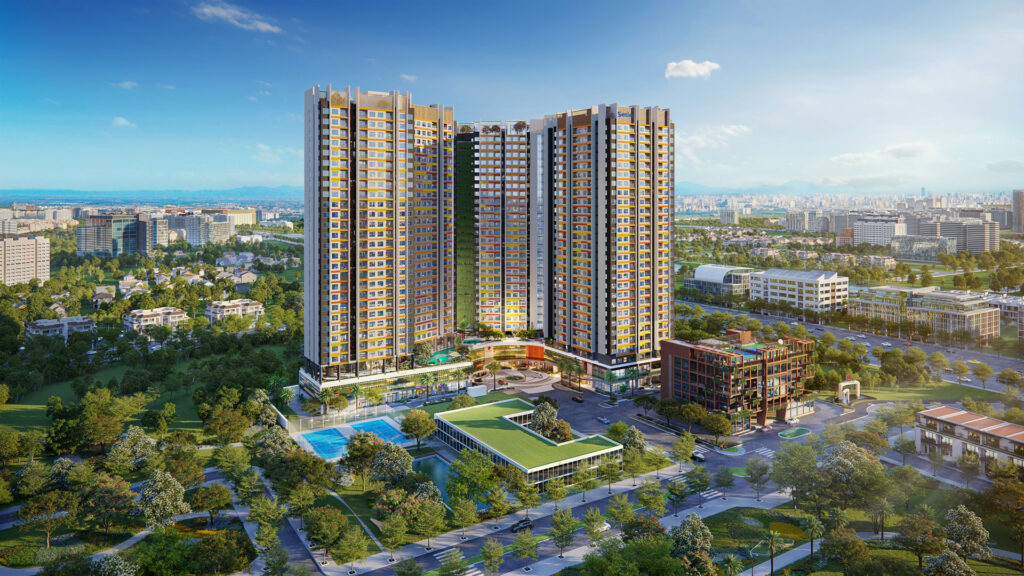
The Setia Edenia project is a clear example of this approach. Located on National Highway 13 within the existing EcoXuân ecological urban area, the project stands out with its “10-minute golden” principle: flexible walking distance to the future metro station, shopping malls, international hospitals, and schools; and easy access by car to work, entertainment, and shopping destinations such as AEON Mall, golf courses, and industrial zones.
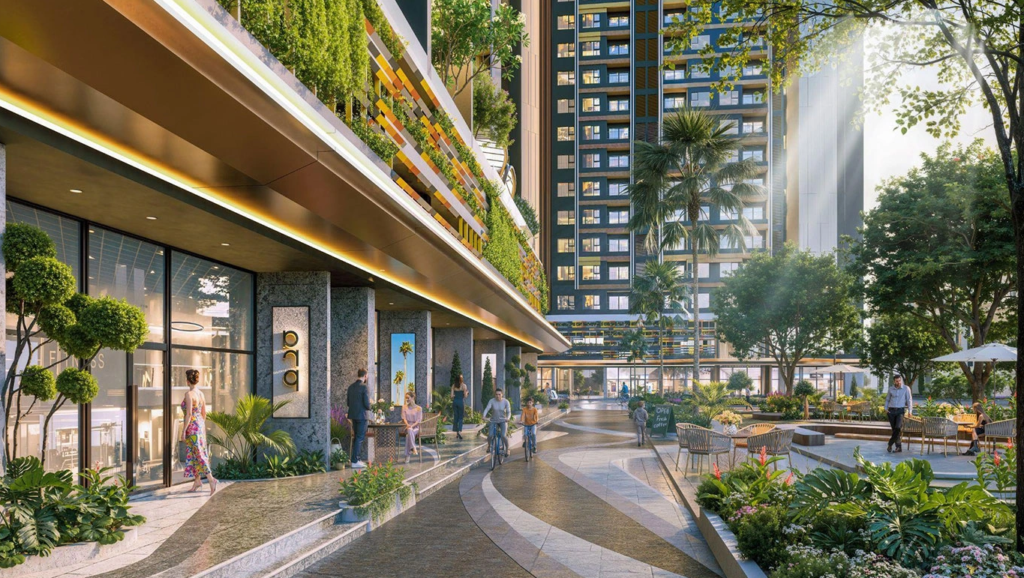
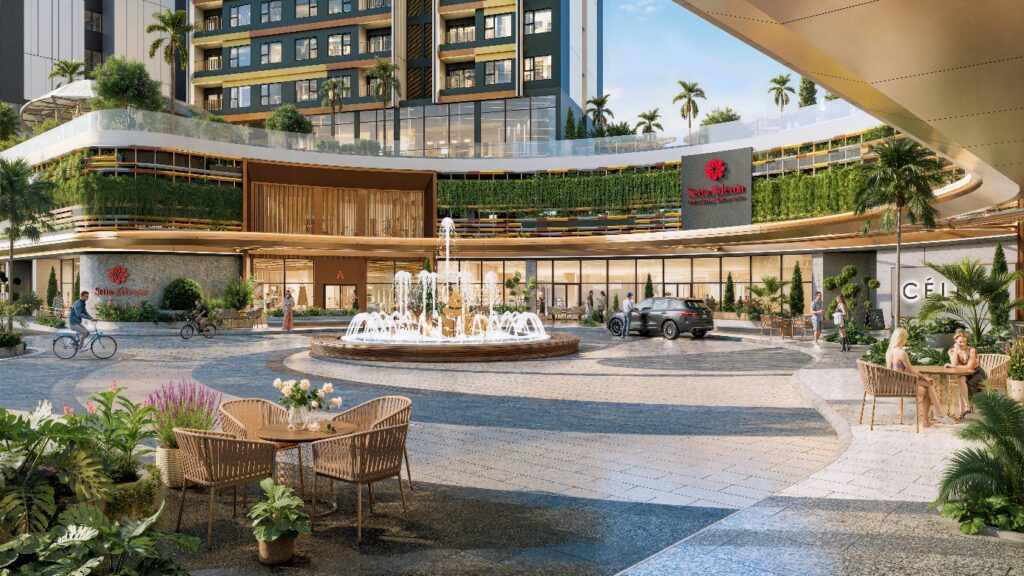
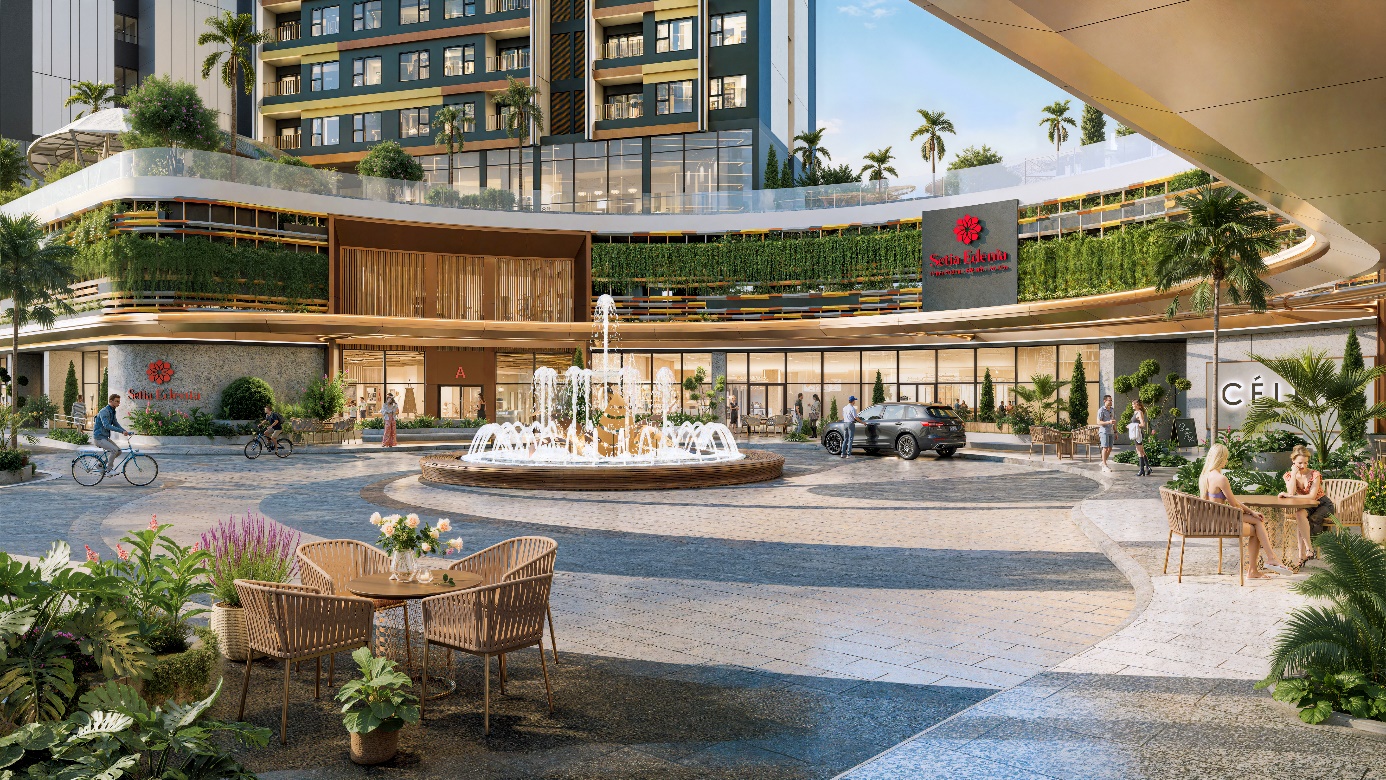
In terms of design, S P Setia collaborated with Ong & Ong (Singapore) and Vertical Studio (Vietnam) to create an emotionally rich architectural language: a “soft silk ribbon” within the landscape, following the “dance of flowers and leaves,” seamlessly connecting green spaces, walkways, and living areas.
Inside the apartments, all decisions revolve around a “tailor-made” experience: 100% of the apartments have large windows, spacious balconies, and cross-ventilation to bring sunlight, fresh air, and greenery into the home; materials are selected based on health and safety criteria; proportions, heights, and spatial openness are carefully adjusted so that every moment of use is natural and comfortable.
With only 9-14 units per floor, the goal of personalization is further enhanced by a flexible layout. Studio and one-bedroom units seamlessly transition between work, entertaining, and relaxation, suitable for young people, professionals, and couples.
Two-bedroom units allow young families to easily divide the space into areas for a baby’s room, a workspace, or a multi-purpose area. Three-bedroom units combine a spacious common area with separate private spaces, offering a resort-like experience in the heart of the city.
Each design option reflects the “value system” that homeowners pursue: privacy – connection, tranquility – vibrancy, modernity – closeness to nature.
Setia Edenia’s amenities further reinforce this personalized lifestyle: continuous green spaces with rare, long-lived native vegetation, children’s playgrounds, gym, yoga, outdoor BBQ areas, and walking paths for a close-to-nature experience.
Especially noteworthy is the pet-friendly policy, allowing families with pets to truly feel “home is where you return.” Purposeful community activities create a foundation for a civilized, cohesive living environment where residents can be themselves while also belonging to a community with shared values.
In short, personalization in real estate not only elevates the standard of living but also optimizes the lifetime value of the property. By understanding the Vietnamese people well enough to adjust operational design while maintaining international standards, foreign investors like S P Setia are creating sophisticated “destinations” where 365 days of life are seamless and emotionally rich. There, each home is a unique, one-of-a-kind reflection of the Vietnamese culture.
True value for the owner: prosperity, connection, and peace.
Setia Edenia is expected to be introduced and launched on the market from Q4/2025.
Contact Information: Customer Service Department
Address: Sales Office at Setia Edenia Project, Lai Thieu Ward, Ho Chi Minh City