Vietnamese real estate faces a wave of reshaping by foreign investors.
The surge in foreign investment, coupled with the transformation of domestic businesses, is creating a new turning point for Vietnam’s real estate market.
The strong participation of foreign corporations is reshaping the norms of the Vietnamese real estate market. Instead of competing on price, the race now revolves around quality, reputation, and international discipline. Vietnam, with its stable economic growth, has become a strategic destination for corporations from Singapore, Malaysia, Japan, South Korea, and other countries. According to the Foreign Investment Agency, in the first quarter of 2025, FDI inflows into the real estate sector reached nearly US$2.4 billion – a sign of a new restructuring cycle.
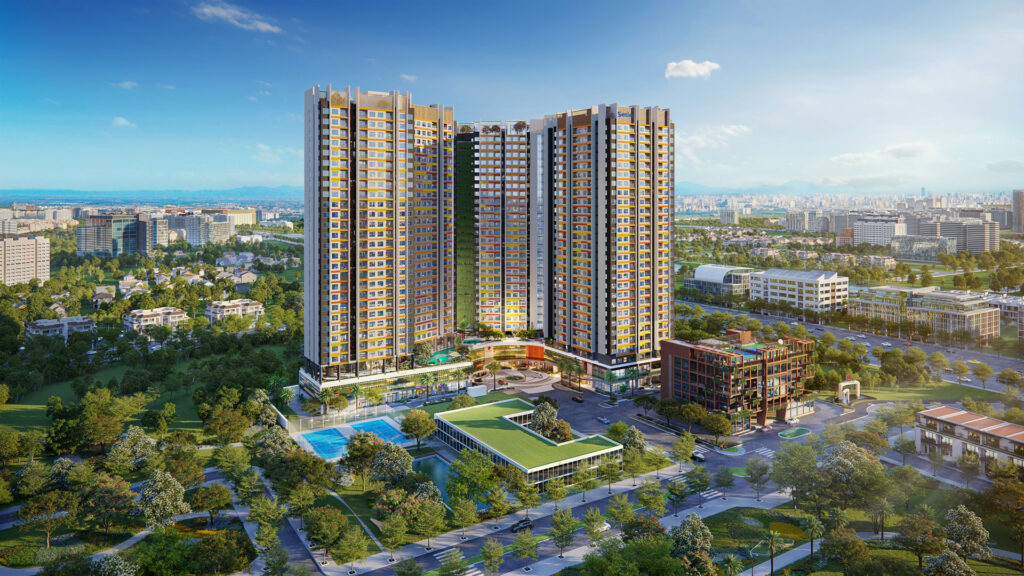
Each international brand entering Vietnam brings its own development philosophy. CapitaLand (Singapore) focuses on luxury mixed-use projects with professional handover processes; Keppel Land (Singapore) emphasizes high-end residential spaces combined with smart technology; Tokyu Corporation (Japan) develops TOD (Transit-Oriented Development) models linked to public infrastructure; Gamuda Land (Malaysia) positions itself on a green lifestyle; and S P Setia (Malaysia) steadfastly adheres to an eco-urban philosophy with its Ecolakes, Eco Xuan, and Setia Edenia projects. This diversity is contributing to raising the standards of the entire market, not only in products but also in development thinking.
According to Kansas Capital – a strategic partner of S P Setia – foreign developers are not just selling houses, but selling “living experiences.” The “luxury” lies in consistency at every touchpoint: from apartment design and contract language to after-sales service. The development discipline is reflected in four main pillars:
First, treating the product as a “system” rather than a building – standardizing design structure, material standards, utility density, and integrating green certifications and technology from the outset to reduce cost errors and raise the overall standard.
Second, financing does not depend entirely on sales, but uses a mixed, phased capital structure like infrastructure with multiple layers of protection to proactively manage progress and navigate market cycles without having to “sell at any cost.”
Third, legal, planning, fire safety, and environmental aspects are designed with pre-feasibility studies, and information disclosure schedules and independent audits are standard.
Finally, a global partner ecosystem acts as a “guarantee,” thereby contracting responsibilities and building trust for both buyers and banks.
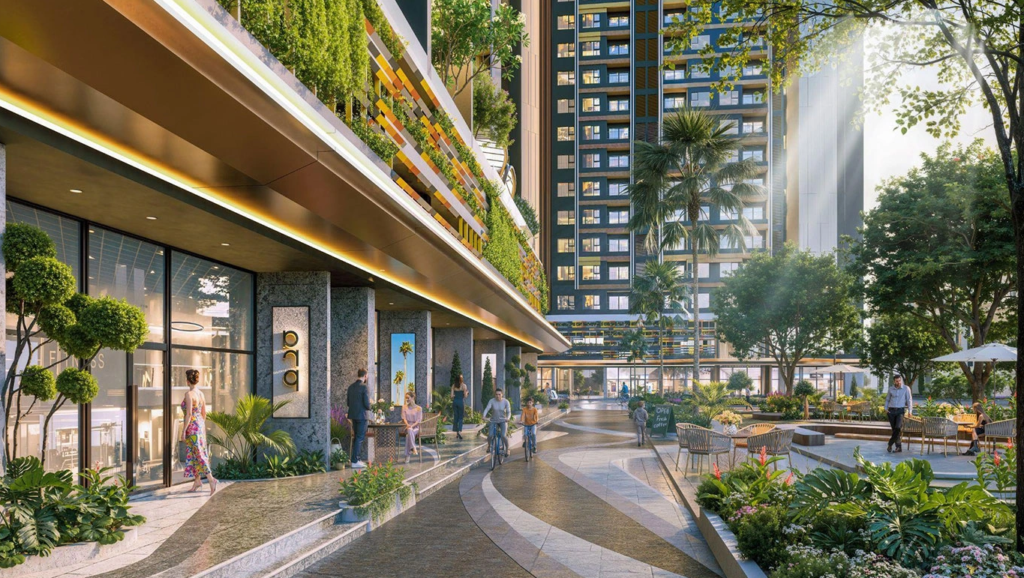
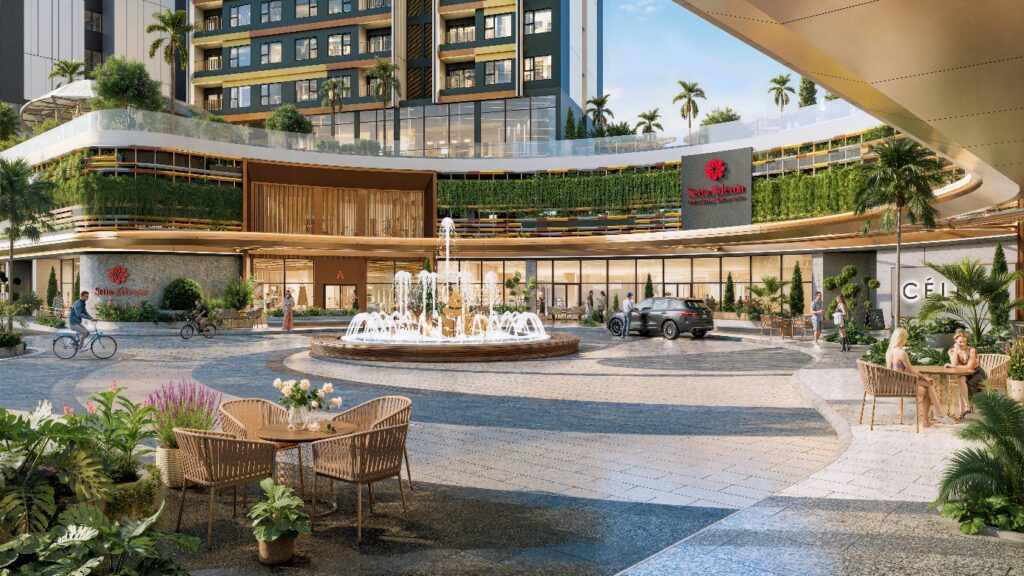
In particular, foreign developers prioritize creating “destinations” such as urban areas, mixed-use complexes, and metro-connected TODs, with retail podiums serving actual residents and a series of regular events as community catalysts.
Vietnamese buyers are increasingly favoring foreign developers not only for their brand, but also for their confidence in execution capabilities and risk control. According to a PropertyGuru survey, 72% of Vietnamese homebuyers prioritize the developer’s reputation. International brands, thanks to standardized processes and transparent guarantees, help compress the “risk premium,” making buyers willing to pay more for peace of mind. Stable operational experience increases liquidity, maintaining rental and resale value.
Data from 2018-2024 shows that mid-to-high-end projects by foreign developers in Ho Chi Minh City and Hanoi often achieve absorption rates of 60-90% in the initial phase of each sales launch. During the period 2019-2023, the cumulative primary price increase for this group of projects reached approximately 20-45%, higher than the average of 15-35%. As a result, they not only brought in capital and technology but also contributed to reshaping the market, moving towards a more sophisticated and sustainable Vietnamese real estate market in the region.
However, the presence of foreign investors is not only an opportunity but also a challenge. They bring a new set of values, from planning, design, operation to financial management, forcing domestic businesses to adapt. Previously, most domestic projects focused on “beauty – location – price,” but now, real estate value is redefined: an urban area must be a living ecosystem where residents are guaranteed quality services, a safe environment, and community connections.
This competition puts significant pressure on domestic businesses, especially mid-sized ones, as they face gaps in capital, risk management, and operational processes. However, it also presents an opportunity for industry restructuring, forcing weaker businesses to withdraw and making way for those with greater capabilities and long-term vision. Simultaneously, foreign capital inflows pressure institutional reforms, compelling regulatory bodies to improve the legal framework, planning, and approval standards, aiming for transparency and sustainable development.